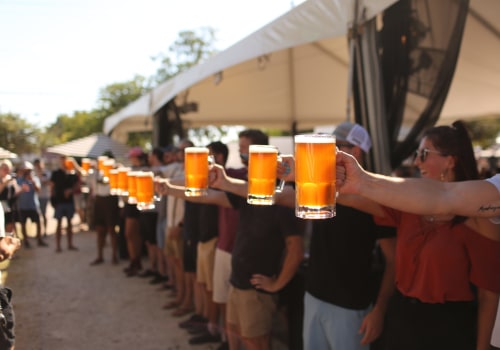
Austin, Texas has become well known for its vibrant event culture, live entertainment scene, and growing craft beer community. Beer festivals throughout the city attract large crowds of locals and tourists who gather to experience regional breweries, specialty beverages, live music, food vendors, and outdoor entertainment. While attendees often focus on the social and recreational aspects of these events, the behind-the-scenes logistics involved in organizing beer festivals are far more complex than many people realize. One of the most important operational components is efficient equipment transportation. Without careful coordination of equipment delivery, setup, and removal, even the most well-planned festival can experience delays, safety concerns, and operational disruptions.
Beer festivals require a wide variety of equipment to function properly. Tents, tables, refrigeration units, kegs, portable bars, staging materials, sound systems, fencing, lighting, generators, and serving stations all need to be transported to the event site within strict timelines. In many cases, multiple vendors and breweries arrive with separate equipment needs that must be organized efficiently to avoid congestion and confusion during setup. Because festivals often operate within limited setup windows, transportation logistics become a critical factor in the success of the event.
Why Timing and Coordination Are Critical
Unlike permanent venues, beer festivals are temporary events that require large-scale setup and breakdown within short periods of time. Event organizers often work under tight schedules that involve coordinating deliveries from multiple suppliers, breweries, entertainment providers, and food vendors simultaneously. Delays involving transportation or unloading can create a chain reaction that affects booth setup, refrigeration readiness, safety inspections, and vendor preparation before guests arrive.
Efficient equipment transportation helps maintain smooth event flow by ensuring that materials arrive in the correct sequence and are positioned properly throughout the venue. For example, refrigeration equipment and kegs often need priority placement to maintain product quality and temperature control before the festival begins. Large tents and staging equipment may need to be installed before smaller vendors can complete their individual booth setups. Without organized transportation planning, event sites can quickly become overcrowded with delivery vehicles and improperly staged equipment.
Austin’s busy streets, event-heavy calendar, and changing weather conditions can also complicate festival logistics. Traffic congestion, limited parking access, and outdoor venue restrictions may affect delivery timing if transportation routes are not carefully planned. Event crews often need to coordinate loading zones, vendor entry schedules, and equipment placement strategies well in advance to keep setup operations running efficiently.
Safety and Equipment Protection During Festivals
Efficient transportation is also essential for protecting expensive equipment and maintaining safety standards throughout the event. Beer festivals involve heavy items such as kegs, cooling systems, portable flooring, and sound equipment that require careful handling during loading and unloading. Improper transportation or rushed setup procedures may increase the risk of equipment damage, accidents, or operational failures during the festival itself.
Crowded venues and outdoor environments further increase logistical challenges. Equipment often needs to be transported across uneven terrain, temporary walkways, or restricted-access locations while avoiding interference with other vendors and setup crews. Organized transportation planning helps reduce safety risks while ensuring that all equipment arrives intact and ready for use.
Event organizers frequently rely on experienced transportation and logistics providers such as Mountain Movers to help coordinate heavy equipment movement and support smoother festival operations. Professional moving and transportation teams understand the importance of timing, equipment protection, and efficient site coordination when handling large-scale event logistics.
Supporting Successful Festival Experiences
Ultimately, efficient equipment transportation plays a major role in the success of beer festivals in Austin because it supports organization, safety, and operational efficiency from setup to breakdown. Guests may only see the final event experience, but behind every successful festival is a carefully coordinated logistics system managing the movement of equipment, supplies, and vendor materials.
As Austin’s festival culture continues growing, the demand for reliable transportation coordination will likely become even more important. Beer festivals depend on smooth operational planning to deliver enjoyable experiences for attendees, vendors, and organizers alike. By prioritizing efficient equipment transportation, event planners can reduce delays, improve safety, and create more organized festival environments that allow both breweries and guests to focus on enjoying the event itself.